**Answer:**
The Illinois Child Tax Credit 2023 is an important topic for families in Illinois who are looking for financial assistance to offset the costs of raising children. This tax credit is aimed at providing relief to families and ensuring that all children have access to necessary resources. In this article, we will explore the details of the Illinois Child Tax Credit 2023 and how it can benefit families across the state.
The Illinois Child Tax Credit 2023 is a refundable tax credit that is designed to provide financial assistance to families with dependent children. This tax credit was introduced to help families with the high costs associated with raising children, from education expenses to daily living costs. The benefits of this tax credit are far-reaching, impacting families across the state of Illinois and helping to alleviate financial burdens.
Eligibility Requirements
To be eligible for the Illinois Child Tax Credit 2023, families must meet certain criteria. These criteria include:
1. Residency: Families must be residents of the state of Illinois to qualify for the tax credit. This means that they must live in Illinois for the majority of the tax year.
2. Dependent Children: Families must have one or more dependent children under the age of 18 to be eligible for the tax credit. The tax credit is designed to assist families with the financial responsibility of raising children.
Income Limits
In addition to the residency and dependent children requirements, families must also meet certain income limits in order to qualify for the Illinois Child Tax Credit 2023. These income limits are based on the Adjusted Gross Income (AGI) of the family.
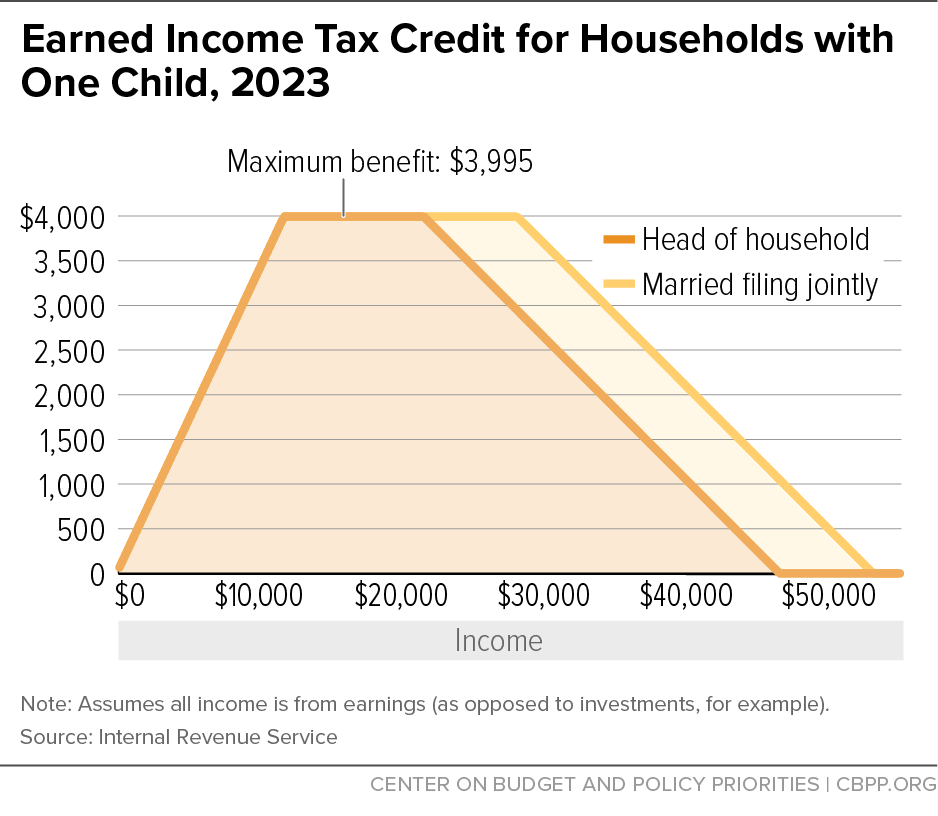
For single filers or married individuals filing separately, the income limit to qualify for the tax credit is set at $40,000. For married couples filing jointly, the income limit is set at $60,000. Families who fall within these income limits are eligible for the full amount of the tax credit.
Benefits of the Illinois Child Tax Credit
The Illinois Child Tax Credit 2023 offers several benefits to families across the state. Here are some key benefits to be aware of:
1. Financial Relief: The tax credit provides much-needed financial relief to families who are struggling to meet the costs associated with raising children. It can help offset the expenses of child care, education, and everyday living expenses.
2. Refundable: Unlike some tax credits, the Illinois Child Tax Credit is refundable. This means that if the amount of the credit exceeds the taxes owed, families will receive the excess amount as a refund.
How to Claim the Illinois Child Tax Credit
Claiming the Illinois Child Tax Credit is a straightforward process. Here’s a step-by-step guide on how to claim this credit:
1. Complete the Required Documentation: Families must ensure that they have all the necessary documentation to support their eligibility for the tax credit. This includes proof of residency and proof of dependent children.
2. Complete the Appropriate Tax Forms: When filing their state taxes, families must complete the appropriate tax forms to claim the Illinois Child Tax Credit. These forms will vary depending on the filing status and income level.
3. Calculate the Credit Amount: Families must accurately calculate the credit amount based on their income level and number of dependent children. This can be done using the guidelines and worksheets provided by the Illinois Department of Revenue.
Frequently Asked Questions
Q: How much is the Illinois Child Tax Credit worth?
The Illinois Child Tax Credit 2023 is worth up to $1,000 per qualifying child. The actual amount of the credit will depend on the family’s income level and number of dependent children.
Q: Is the Illinois Child Tax Credit refundable?
Yes, the Illinois Child Tax Credit is refundable. If the amount of the credit exceeds the taxes owed, families will receive the excess amount as a refund.
Q: Can I claim the Illinois Child Tax Credit if I am a non-resident of Illinois?
No, the Illinois Child Tax Credit is only available to residents of Illinois. Non-residents are not eligible for this tax credit.
Q: Are there any income limits for the Illinois Child Tax Credit?
Yes, there are income limits for the Illinois Child Tax Credit. Single filers or married individuals filing separately must have an Adjusted Gross Income (AGI) of $40,000 or less to qualify. Married couples filing jointly must have an AGI of $60,000 or less.
Final Thoughts
The Illinois Child Tax Credit 2023 provides much-needed financial assistance to families with dependent children. This tax credit offers a range of benefits, including financial relief and the ability to claim a refund if eligible. By understanding the eligibility requirements and how to claim the credit, families can take advantage of this valuable resource to support the well-being and care of their children.